

Dental Service
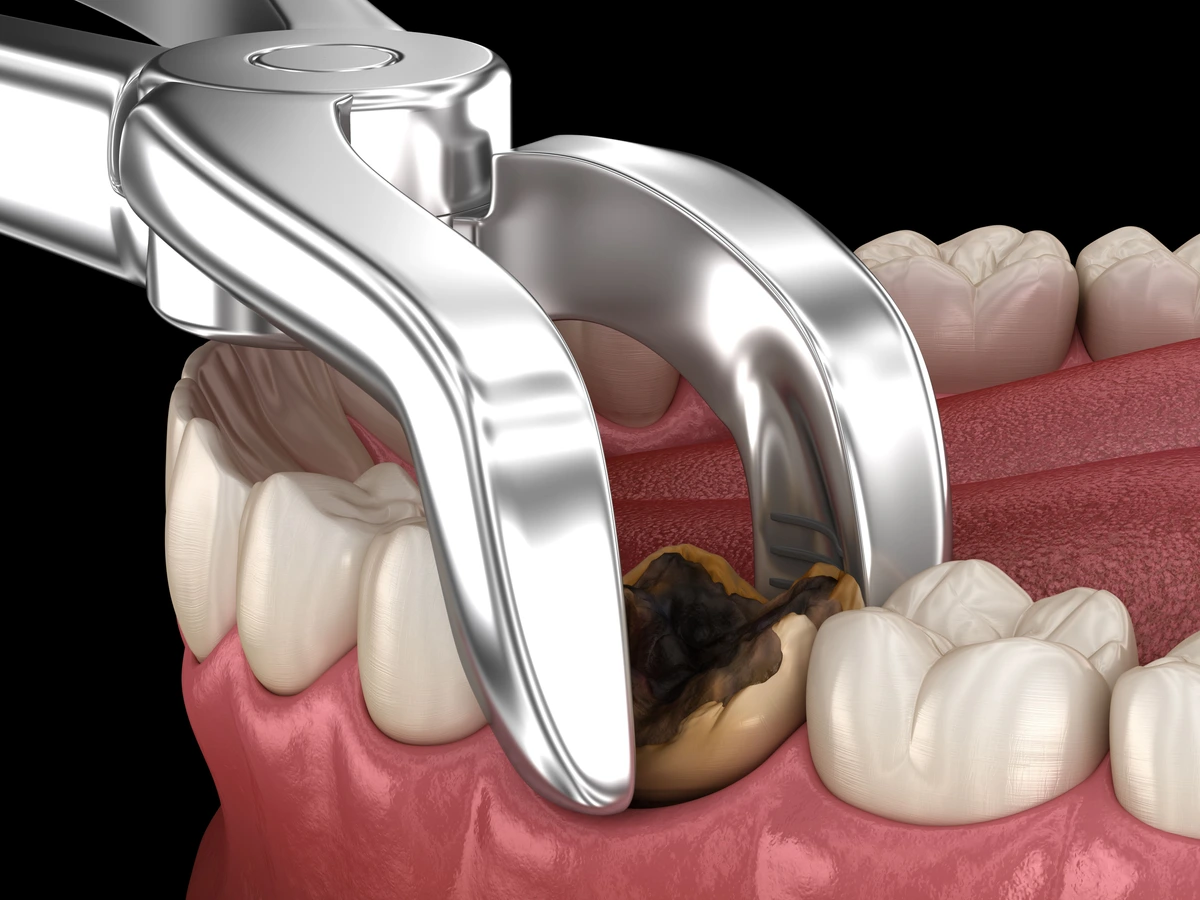
Tooth Extraction
- Tooth extraction is performed when a tooth cannot be preserved due to severe decay, fracture, or infection.
- It may also be necessary to remove teeth to create space for orthodontic treatment.
- Impacted teeth or those that disrupt proper alignment in the dental arch are commonly extracted.
- The procedure is carried out under local anesthesia, making it painless.
- Mild swelling or tenderness after extraction is normal and usually subsides within a short period.
Reminder: Follow your dentist’s aftercare instructions, avoid smoking, and attend follow-up checkups to ensure proper healing.
Reasons for Tooth Extraction
- Advanced dental caries with irreparable tissue loss
- Untreatable infections or abscesses in tooth roots
- Creating space in the dental arch for orthodontic treatment
- Teeth or tooth roots fractured beyond repair
- Teeth that cannot function properly in the arch (e.g., excessively protruded, retruded, or impacted teeth)
Post-Extraction and Post-Surgical Recommendations
- Bite on the gauze placed in your mouth for 30 minutes, then discard it.
- Do not chew, suck, or spit — swallow normally.
- Do not eat or drink anything for the first 2 hours.
- If prescribed, take medication with a small sip of warm water.
- After 2 hours: consume warm soup or liquids.
- First 5–6 hours: consume only soft and warm foods and beverages.
- Avoid irritating the wound area while eating.
- Do not consume alcohol.
- For pain relief: use medications other than aspirin or aspirin derivatives.
- Do not smoke for at least 48 hours.
- To reduce swelling: apply an ice pack externally to the cheek in 15-minute intervals for the first 5–6 hours.
- Consult your dentist immediately if pain, bleeding, or foul odor occurs.
- If stitches were placed: they must be removed in 7–10 days unless self-dissolving sutures were used.