

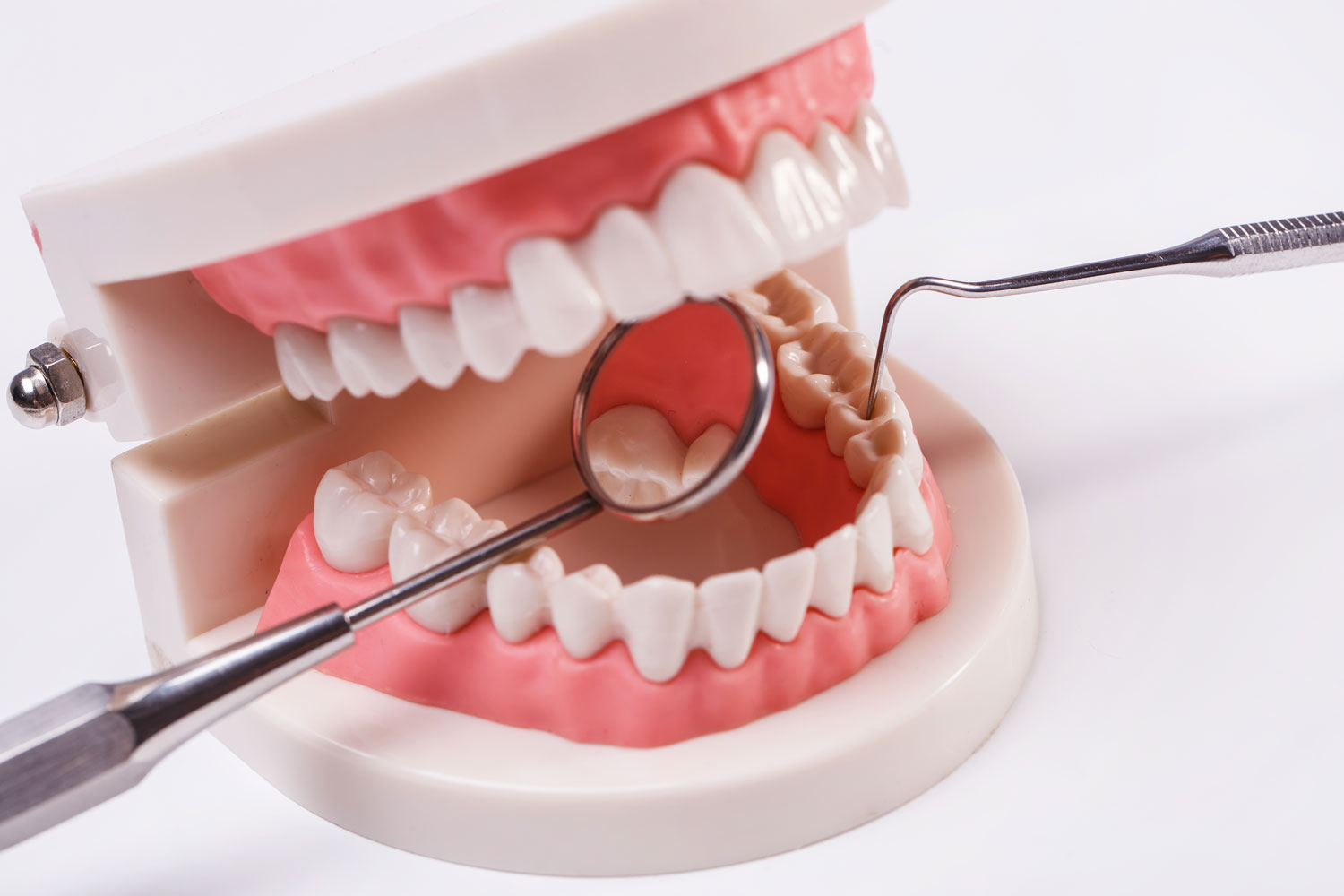
Implants
- This procedure replaces missing teeth with artificial tooth roots.
- Titanium screws are placed in the jawbone and function as natural tooth roots.
- Porcelain or zirconium crowns are then attached on top.
- Local anesthesia is administered during the procedure, making it painless.
- With proper care, dental implants can last for many years.
Reminder: Regular tooth brushing, routine checkups, and proper oral hygiene will extend the life of your implant.
What is a Dental Implant?
In the twenty-first century, one of the most widely researched and applied prosthetic treatments in dentistry
is the dental implant. Considered the closest alternative to natural teeth, implants provide
superior chewing efficiency and speech compared to removable prostheses.
A dental implant is an artificial tooth root made of biocompatible materials, most commonly titanium,
designed to replace missing teeth. Implants are placed into the jawbone through a simple surgical procedure
and later support a fixed prosthetic tooth.
Lifespan of Dental Implants
Today, there are implants with more than 30 years of documented clinical success. With advances in technology,
new designs and materials are continuously being developed. Your dentist will recommend the most suitable implant
system based on your jaw structure and overall oral health.
Limitations of Dental Implant Therapy
- Not recommended for young patients whose jaw growth is not complete.
- Sufficient bone density and volume are required for long-term success.
- No upper age limit, provided general health permits surgical treatment.
Osseointegration
For stability under chewing forces, the implant must integrate with the jawbone —
a process called osseointegration. Depending on age, health, surgical technique,
and implant site, healing may take 3 to 6 months. After this, a prosthetic crown
is placed on the implant.
The Implant Placement Procedure
Implant placement is performed under local anesthesia, ensuring a painless procedure.
Any mild discomfort experienced on the day of surgery can be managed with simple pain relievers,
similar to tooth extraction recovery.
Caring for Dental Implants
Post-operative care and long-term maintenance are critical for implant success.
Since implants are foreign bodies compared to natural teeth, proper cleaning and monitoring are essential.
Your dentist will provide specific oral hygiene instructions based on your implant prosthesis.
Daily brushing, flossing, and professional cleanings are mandatory for long-term stability.
Risks of Implant Treatment
- Early-stage risks: Infection, swelling, or allergic reactions.
- Late-stage risks: Bone loss or implant failure due to poor oral hygiene.
Research shows implant failure occurs in about 3–4% of cases.
Failed implants can be removed like a tooth extraction. After healing, a new implant may be placed,
or the space restored with conventional prostheses.
Advantages of Dental Implants
- Superior function and aesthetics compared to removable prostheses.
- Preserve jawbone health by transmitting chewing forces to the bone.
- Improve speech, chewing efficiency, and oral comfort.
- Can last decades or even a lifetime with proper care.
Important Note
Implants are produced with advanced technology and high-quality materials—often imported—so their cost
may be higher than traditional prostheses. Successful osseointegration and consistent oral hygiene are essential
for long-term success. Patients with uncontrolled systemic conditions (such as diabetes) may not be suitable
candidates until their condition is stabilized.